ABOUT OUR STRATEGY: Rethinking What a Home Can ACCOMPLISH

Rather than viewing real estate solely as a source of rental income, we treat each property as an “Operating Center” capable of supporting additional economic activity through storage, liquidation operations, localized energy production, and cloud computing

Buy the Location. Improve the Asset.
Residential real estate serves as the foundation of the MetCom platform. We focus on acquiring properties in established, highly desirable communities with strong schools, vibrant downtowns, access to employment centers, and limited housing supply.
The demand for rental housing remains substantial, with approximately 35% of U.S. households renting their homes, representing more than 44 million households nationwide.
Our strategy centers on identifying properties with unrealized potential and creating value through renovation, modernization, and long-term stewardship.
What we look for:
Established, supply-constrained communities
Strong employment and educational access
Older housing stock with renovation potential
Functional space including basements, garages, workshops, and storage areas
Long-term appreciation and recurring cash flow opportunities
Capturing Value Others OverlooK
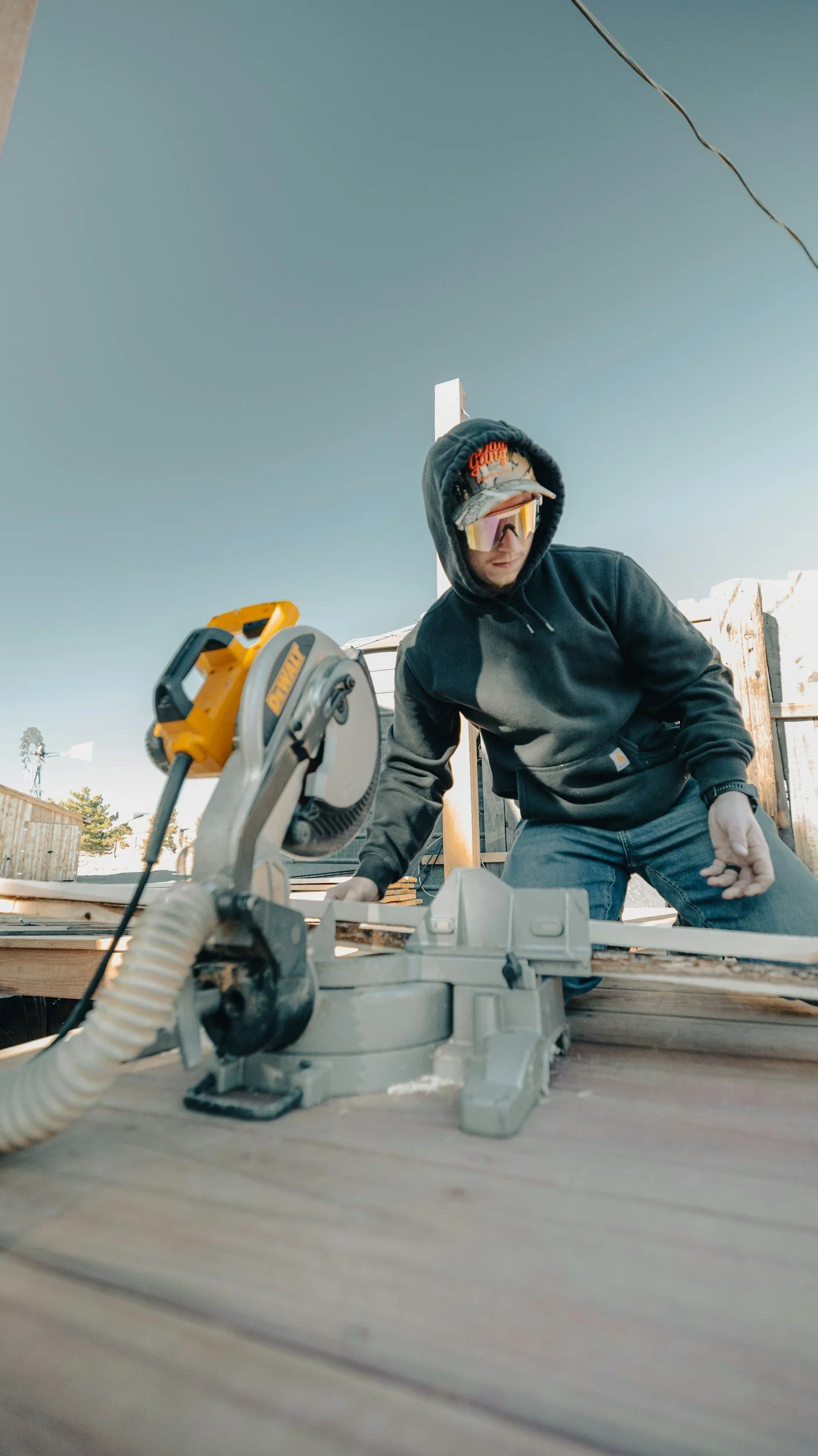
MetCom's liquidation and resale operations are rooted in a simple principle: many assets considered “waste” or “unwanted” still possess significant economic value.
Through business liquidations, estate sales, moving sales, & consignment arrangements, we recover, sort, market, and resell consumer goods that might otherwise be discarded.
Furthermore, our methods can identify and pursue distressed sellers that require liquidity or space, acquiring equipment, appliances, & fixtures for bargain prices and leaving ample room for safe arbitrage opportunities.
By extending product life cycles and returning goods to productive use, we seek to:
Reduce unnecessary waste
Generate additional cash flow that can be deployed for capital improvements
Provide affordable goods to consumers
Capture value from underutilized assets
Extracting Power
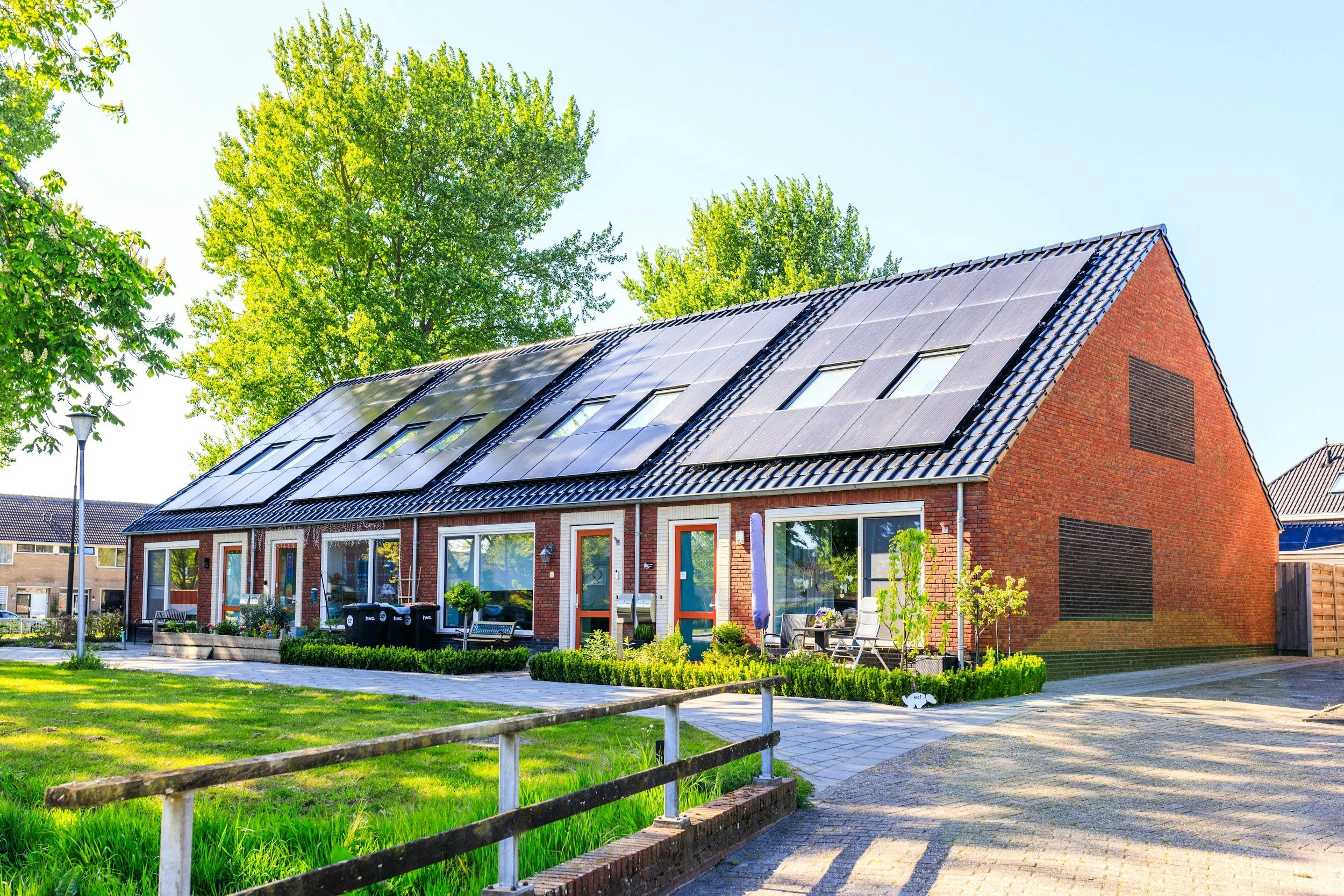
Many real estate assets possess energy production potential that is never fully utilized. MetCom refers to this as “dead energy": energy-producing opportunities that are physically available but remain uncaptured.
Examples include:
Residential spaces capable of supporting solar generation
Organic waste streams that can be converted into biogas
Underutilized land suitable for renewable energy infrastructure
Buildings with opportunities for heat recovery, storage, or efficiency improvements
In many cases, these resources already exist on a property but generate no economic return. A residential apartment with thousands of square feet of unobstructed roof space, for example, may consume electricity every day while producing none of its own.
MetCom Ventures views these situations as opportunities to improve asset performance. Through selective investments in solar generation, biogas systems, energy storage, and other resource optimization technologies, we aim to convert underutilized resources into productive assets that reduce operating costs and enhance long-term cash flow.
Our objective is not simply sustainability. It is asset efficiency.
By identifying and capturing value that already exists within a property's physical footprint, we seek to improve self-sufficiency, strengthen operating margins, and increase the overall return generated by each asset under management.

DIVERTING E-Waste into CLOUD COMPUTING
Millions of computers, laptops, smartphones, and other electronic devices are retired each year despite retaining significant functional computing capability.
At the same time, demand for cloud services, decentralized infrastructure, artificial intelligence, distributed storage, and edge computing continues to grow, traditionally requiring capital-intensive investments in large-scale data centers and specialized hardware.
Rather than relying exclusively on expensive purpose-built data centers, we believe distributed infrastructure can be developed more efficiently by leveraging existing hardware that is already widely available throughout the economy. Through participation in decentralized physical infrastructure networks (DePIN), distributed cloud computing, data storage, edge computing, and AI-related workloads, these devices can continue generating economic value long after their original consumer use has ended.
Just as underutilized buildings and equipment can be transformed into productive assets, surplus consumer electronics can be redeployed to support digital infrastructure networks. By leveraging existing hardware, we believe computing capacity can often be acquired and deployed more economically than constructing traditional centralized infrastructure from the ground up.